Living in Dénia – Costa Blanca North

Life between the sea, gastronomy and nature in a town that stays vibrant all year round.

Dénia is the kind of place where you can watch the morning light change above the harbour, and in the evening stroll into town for a tapa and a glass of wine. It is lively — especially in summer — yet it still feels like a real town where life continues well beyond the holiday season.

Small note: Dénia (formerly Dianium, later Dāniya).

The daily rhythm of Dénia

What sets Dénia apart is the rhythm of the town.

In the morning, people gather for coffee on Marqués de Campo, the main shopping street of Dénia. It gives the town a lively, almost urban atmosphere by the sea.

Calle Loreto is the well-known tapas street. Here locals and international residents sit side by side. It’s not a staged setting — just good food and a relaxed atmosphere.

And the harbour? It’s not just a tourist postcard. It’s a working port where fishermen return with their catch every day. Fresh fish is simply part of daily life here.

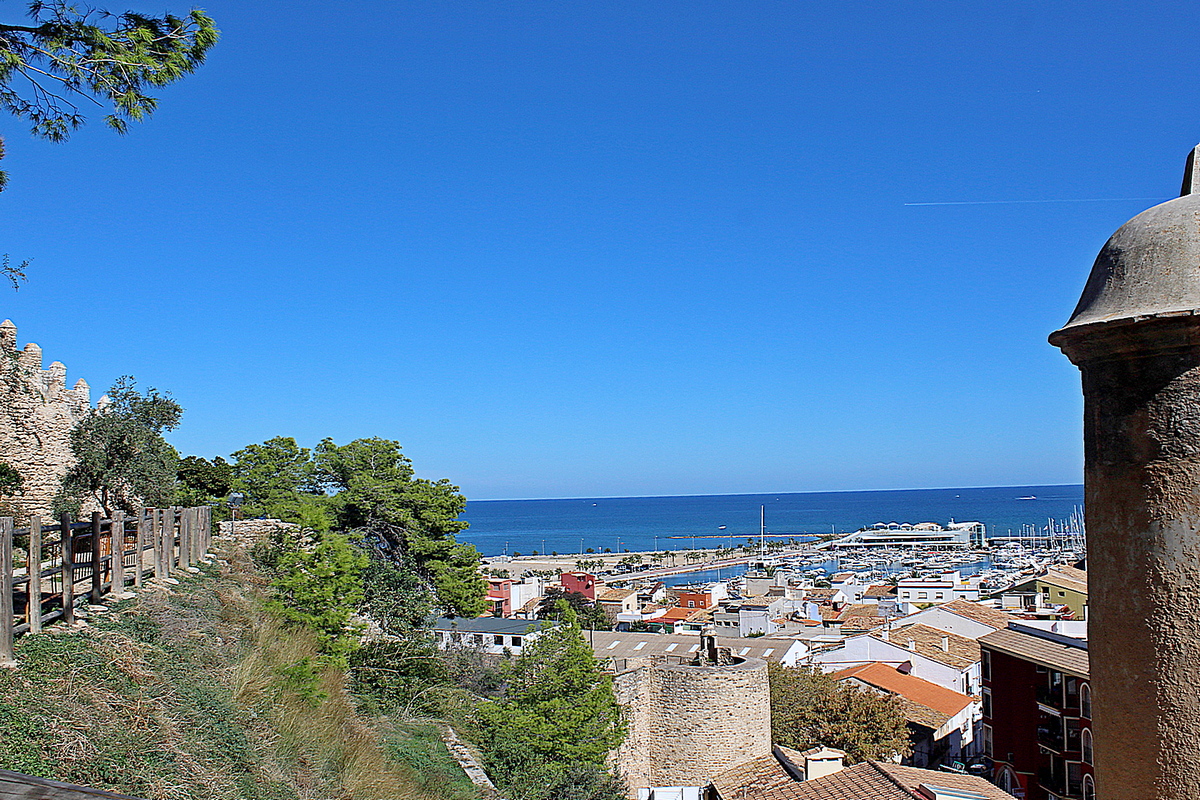
Uitzicht vanaf het kasteel van Dénia over de jachthaven Marina de Dénia

Culture, traditions and Mediterranean lifestyle

Dénia is much more than sun and sea. In Calle Loreto, the famous tapas street, you might plan “just one drink” and end up staying much longer. The atmosphere feels authentic, with locals mixing naturally with visitors — not a staged tourist setting.

What surprises many buyers is the working harbour. Fishing boats return every day and buying fresh fish is simply part of daily life here. You don’t just live by the sea — you live with it.

Throughout the year the town remains lively with traditions such as Las Fallas and the Feria Medieval de Dénia around the castle. On Marqués de Campo, the main street, you’ll find shops, cafés and a boulevard-like atmosphere during the summer months. The dianenses — the residents of Dénia — help preserve the town’s authentic character.

Outdoor life is equally natural here: hiking on the Montgó, cycling along the Vía Verde de Dénia, or strolling along Las Rotas. Dénia has also been recognised by UNESCO as a Creative City of Gastronomy — here you live with the sea, the rhythm and the flavours of the town.
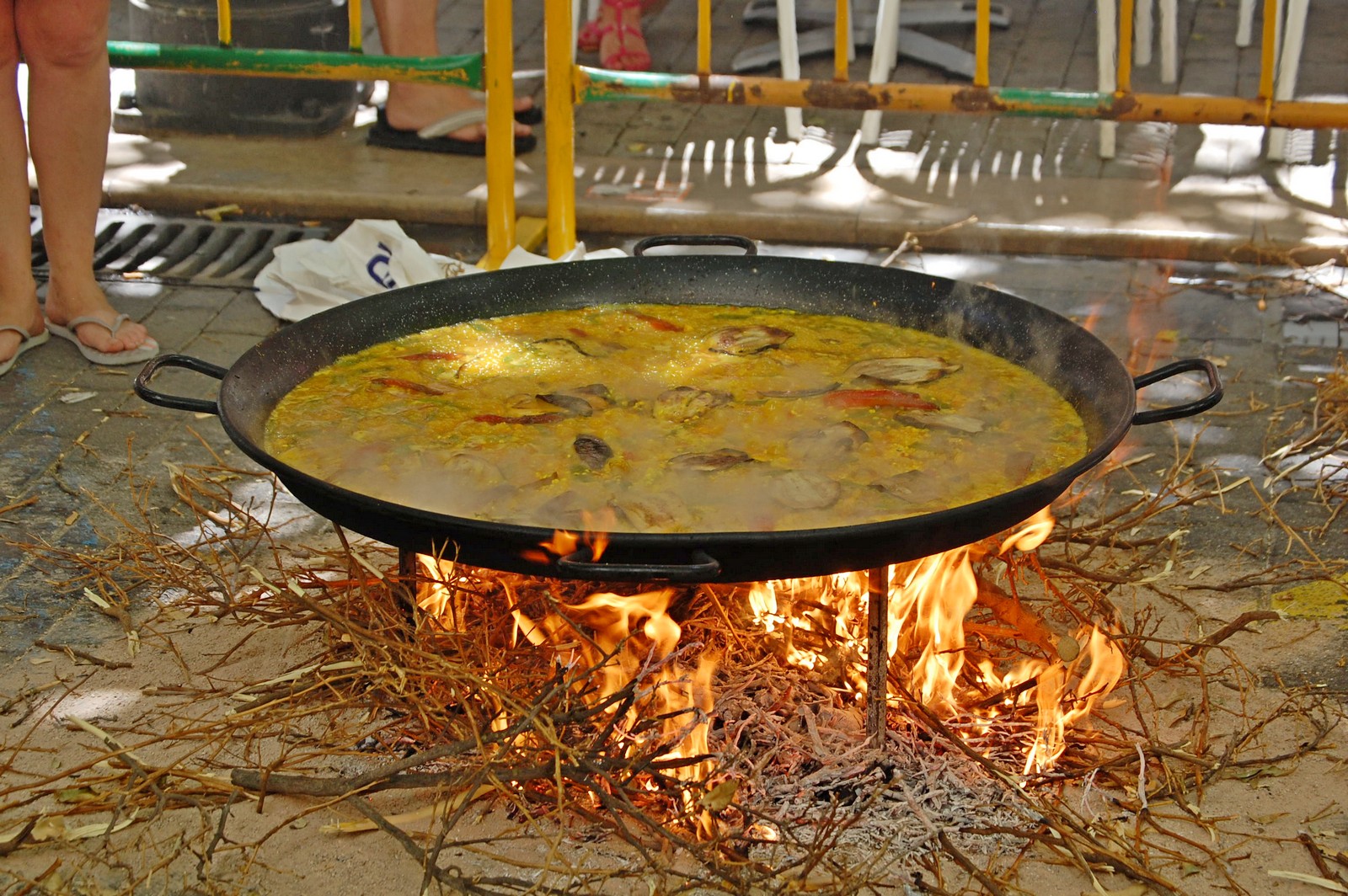
 
 
Traditionele paella in Dénia als onderdeel van de mediterrane gastronomie

Active living between sea and mountains

The location between the Mediterranean Sea and the Montgó makes Dénia remarkably versatile.

For those who enjoy being active, there are countless possibilities. Hiking or trail running in the Montgó Natural Park, cycling along the Vía Verde towards El Verger, snorkelling along the rocky coastline of Las Rotas, or sailing from the marina — it’s all possible here, without it needing to be an organised activity.

It’s not holiday sport.
It’s simply part of everyday life.

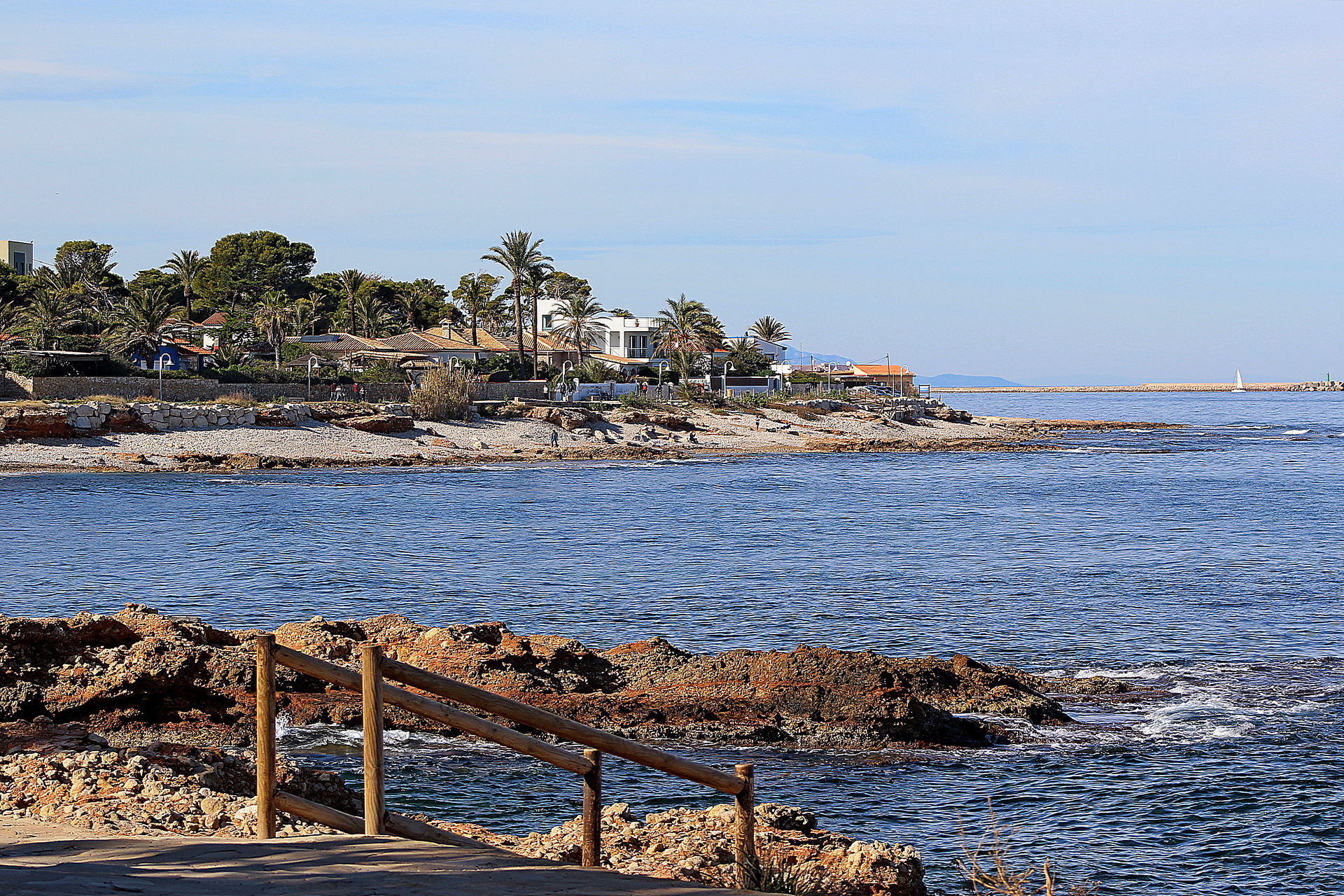
Uitzicht op zee bij Las Rotas in Dénia aan de Costa Blanca Noord

Which part of Dénia feels right for you?

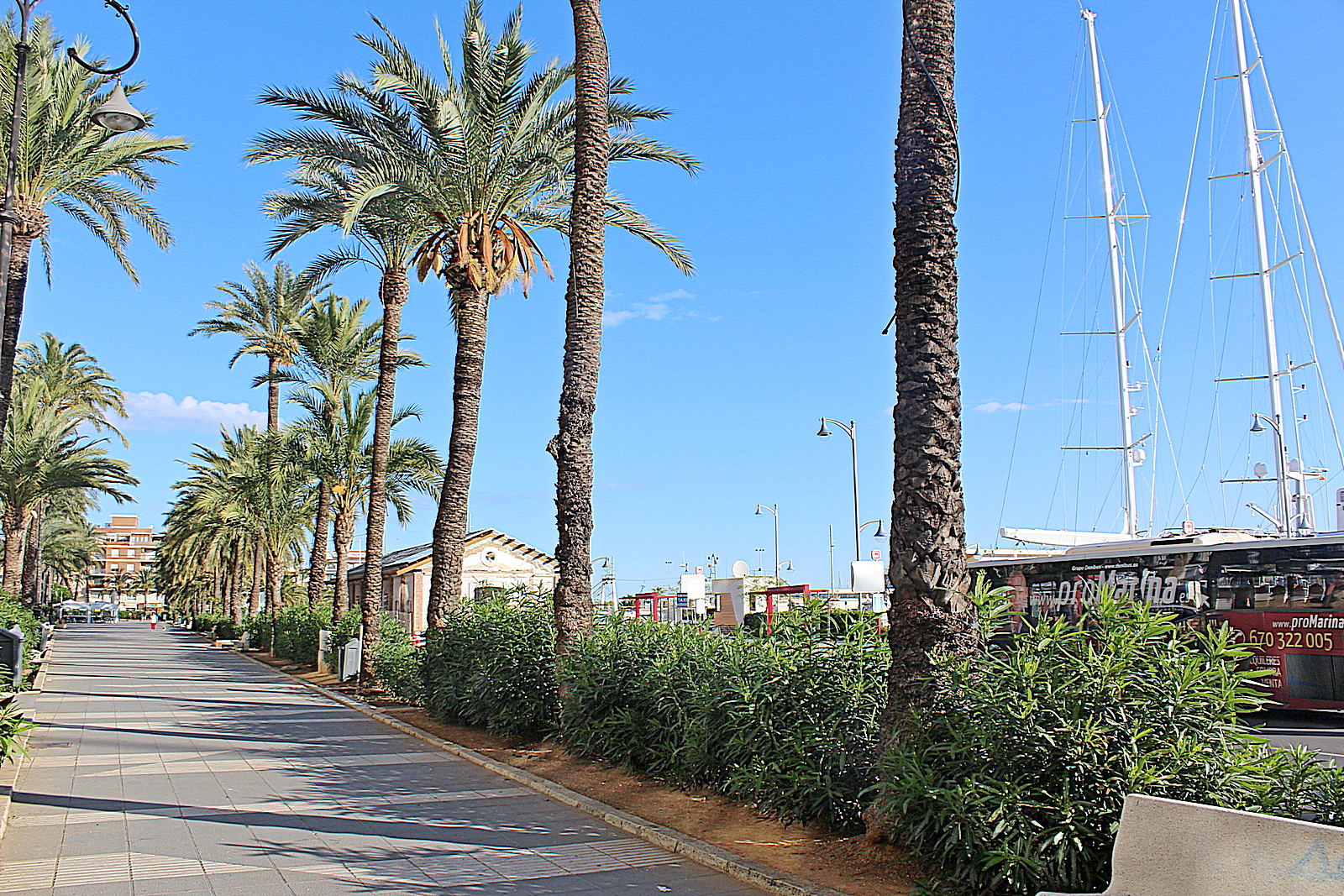
Promenade en jachthaven van Dénia met palmbomen en uitzicht op zee aan de Costa Blanca Noord.

Town Centre – where the city stays alive all year round

Around the castle and the harbour you find the real heart of Dénia. In the morning you hear the market come to life, watch the fishing boats return, and the area remains active even during the winter months.

People who live here consciously choose an urban seaside lifestyle. Everything is within walking distance — although you trade a little tranquillity during the busy summer months.

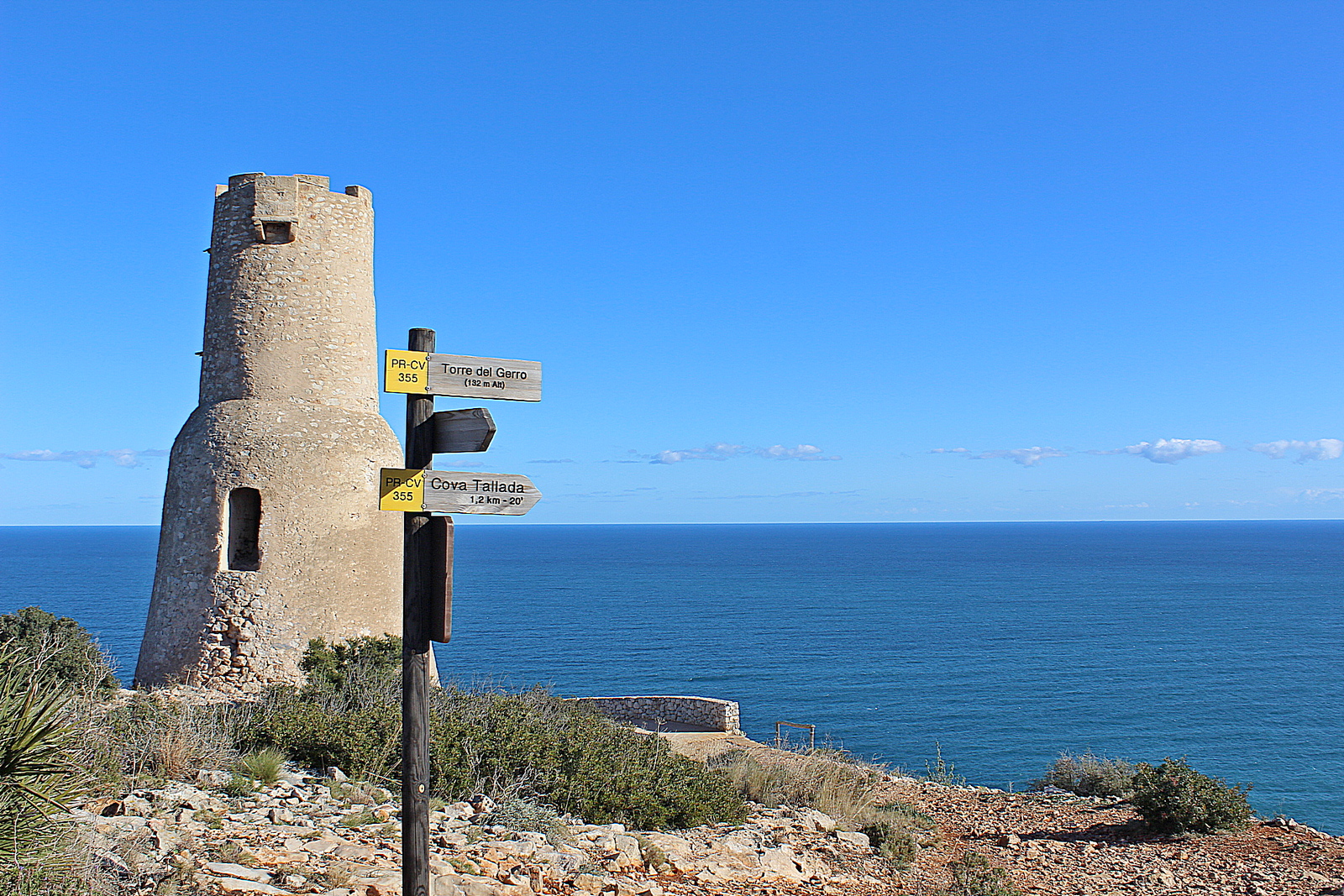
Torre del Gerro bij Las Rotas in Dénia met panoramisch uitzicht over de Middellandse Zee.

Las Rotas – rugged, quieter and closer to nature

Las Rotas is not a typical beach area but a rocky coastline. There are no rows of sunbeds, but instead clear water, small coves and a coastal path leading towards the nature reserve.

This is where the protected marine area begins. You can notice it in the water itself: snorkellers and divers, and far less mass tourism than along Las Marinas.


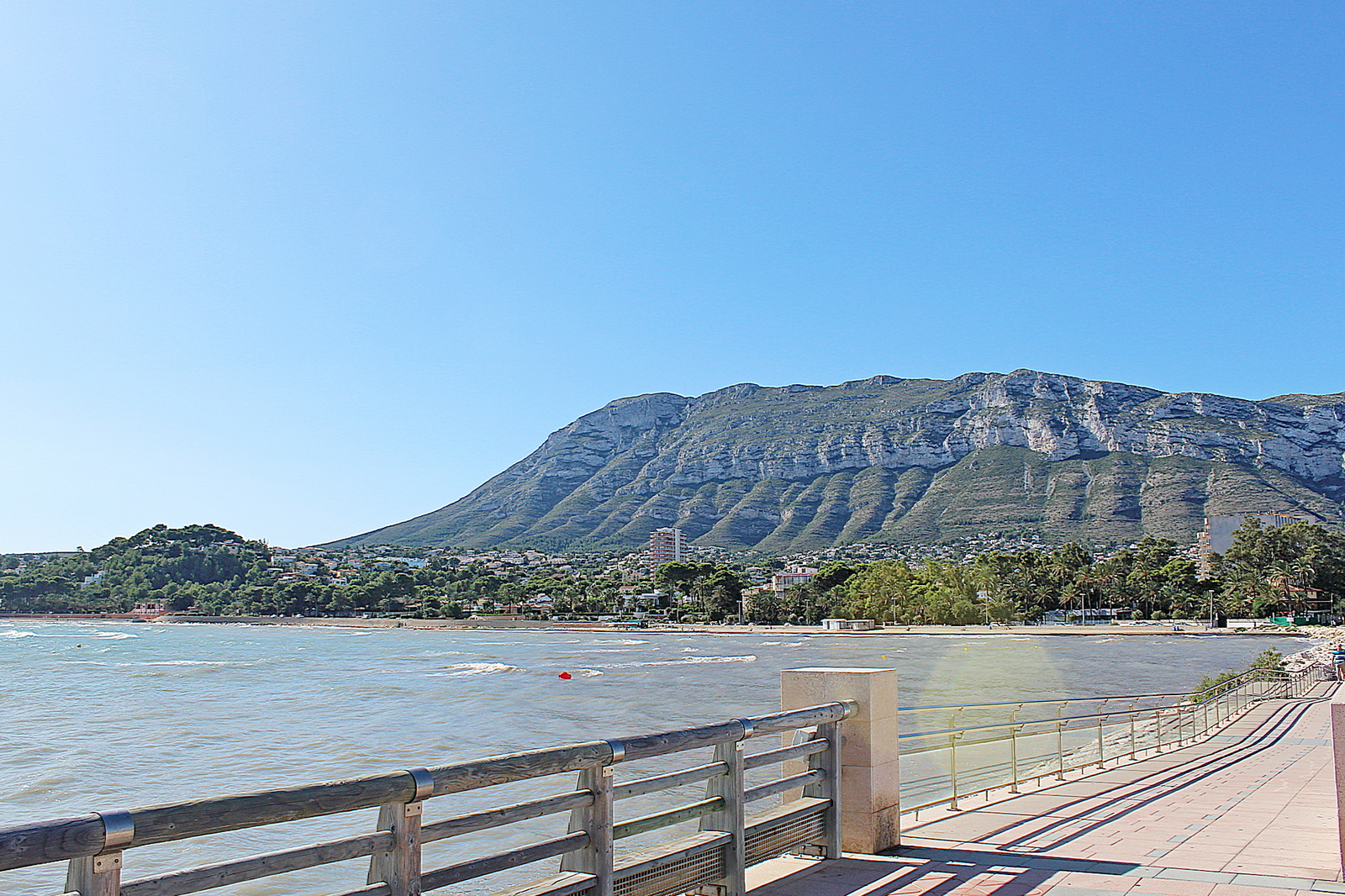
Uitzicht op de Montgó en de kustlijn van Dénia met strand en boulevard aan zee.

Montgó (La Pedrera & Marquesa) – elevated, spacious and private

On the western side of Dénia you live on the slopes of the Montgó. Areas such as La Pedrera and Marquesa are located higher up, with open views across the town or towards the sea.

Plots here are often larger and the homes are typically detached villas. However, the higher elevation also means steeper streets and a greater distance from the town centre.

It feels quieter here than in the city, but less focused on the coastline than Las Rotas.


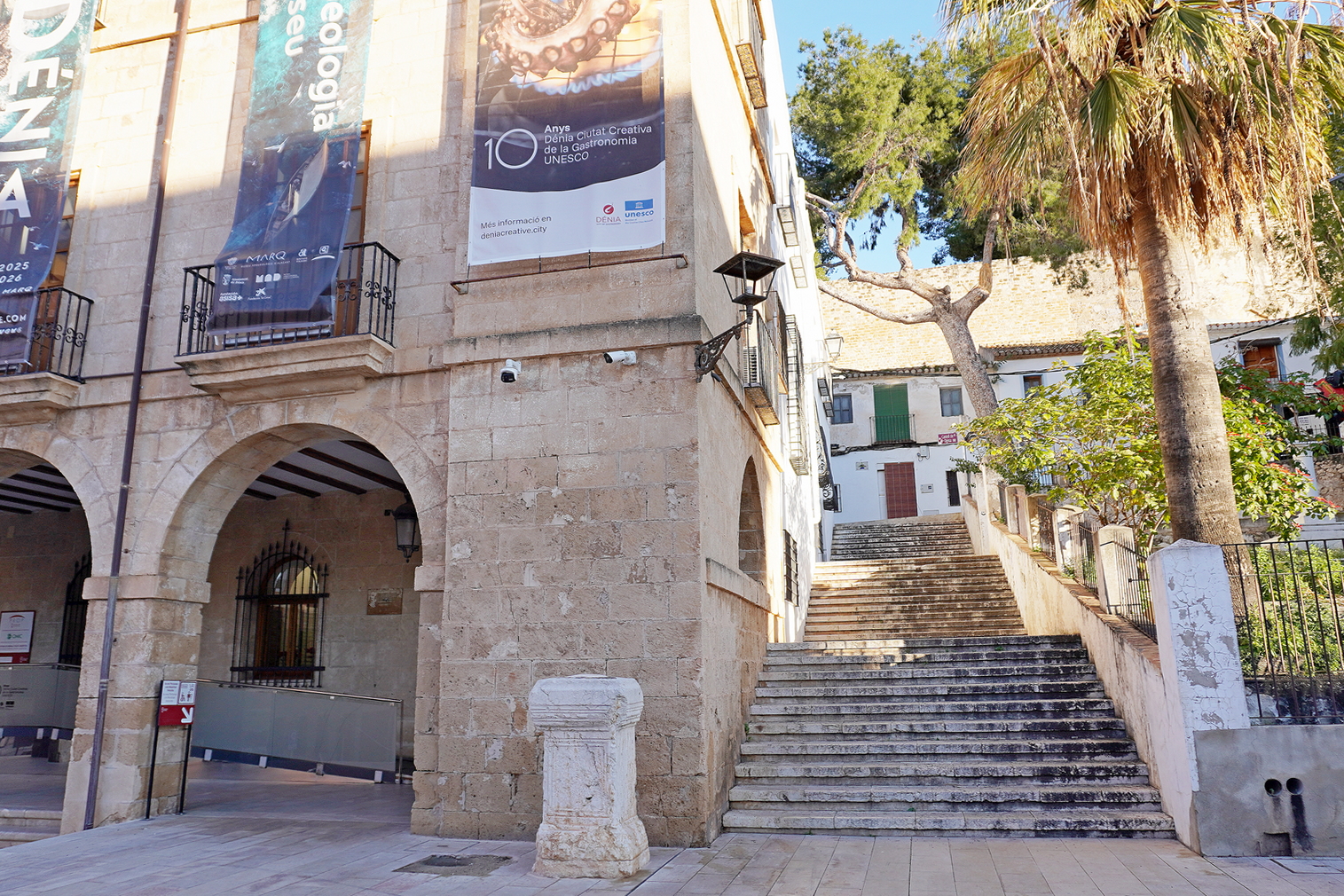
El Rinconcito de la Infanta Margarita naast het gemeentehuis in Dénia.

Las Marinas – sandy beaches, open space and a seasonal rhythm

Las Marinas begins just outside the centre of Dénia and stretches for kilometres towards Els Poblets.

Here you find sandy beaches instead of rocky coves — wider and more accessible, which makes the area especially popular with families.

Because Las Marinas is so extensive, it can feel particularly quiet in winter, especially the further you move away from the town centre.

Buying property in Dénia: what to consider

Dénia is a versatile town, and that diversity is reflected in the property market as well. Apartments along Las Marinas, villas in Las Rotas, homes on the Montgó, or townhouses in the centre — each area has its own rhythm and specific points to consider.

When assisting with a purchase, I look not only at the property itself but also at the broader context: location, accessibility, sun orientation, community costs (for apartments) and, above all, the documentation. This helps avoid unexpected surprises later on.

The right choice does not depend only on the view or the distance to the sea, but also on how you intend to live here — permanently or as a second home.

What I always check:

That is why I always look beyond what you see in the photos.

For those who prefer a quieter setting than the town itself, Benidoleig in the Orba Valley is often worth considering. For buyers looking for a coastal town with distinctive bays and coves, Jávea is also well worth exploring.

Practical living in Dénia

Dénia is located about an hour from both Alicante and Valencia airports, which makes it particularly accessible for second-home owners as well as permanent residents.

The town offers a hospital, schools and a wide range of sports and leisure facilities. It is not a seasonal destination but a functioning town with services available throughout the year.

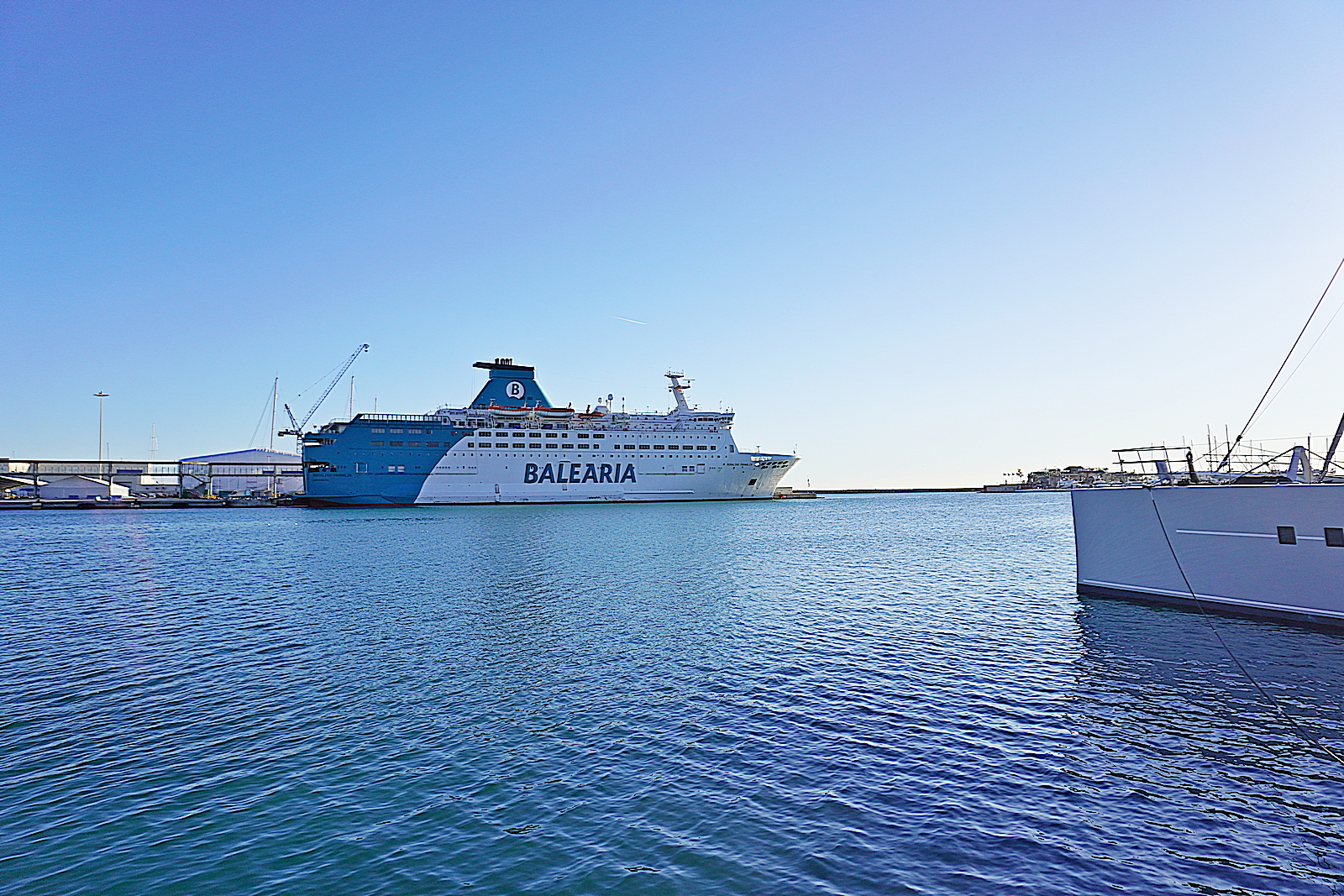
From the harbour, ferries depart to Ibiza, and during certain periods also directly to Formentera, making a weekend trip to the islands surprisingly easy.

If you are unsure whether the town, the coast or the valley suits you best, explore the overview of all areas in Costa Blanca North to see the differences side by side.

Veerboot van Balearia in de haven van Dénia met verbinding naar Ibiza en Formentera.

If you are considering buying in Dénia, I would be happy to help you get a clear and realistic picture of the possibilities.

error: Content is protected!